
Fun Games Boost Kids English Speaking Skills
Published: March 19, 2026
Fun & Games: How English Speaking Apps Boost Kids' Learning
Getting kids to speak English regularly is not easy. You remind them, encourage them, even sit with them. Still, many children hesitate. They worry about mistakes. They feel shy. Some simply lose interest after a few minutes.
This is where a new approach is changing things. Game-based learning turns practice into play. Instead of drills, kids enter small worlds where they talk, respond, and interact. It feels less like study and more like fun.
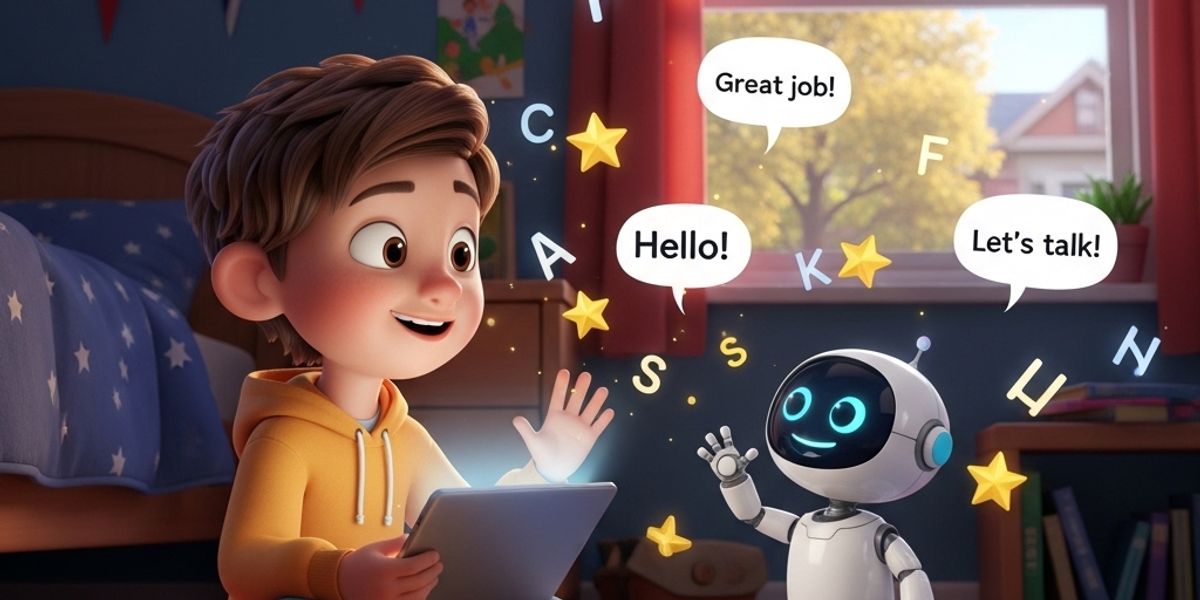
An English speaking app like ZetaGalaxy takes this idea further. It lets children talk to animated characters, join conversations, and build confidence without pressure. Kids who learn English through games stay engaged longer and practise more often.
This shift is backed by research. When children enjoy the process, they remember better and speak more freely. You'll see exactly how games help language skills grow and how they build confidence step by step.
Why Games Are a Game Changer for Language Learning
Traditional methods often rely on repetition. Children memorise words, repeat sentences, and complete worksheets. It works for some. Many lose interest quickly.
Games change that experience entirely. They add curiosity and action. A child is not just learning words. They're using them to complete tasks, solve problems, and interact with characters.
Research shows that interactive learning improves memory. Kids remember words better when they use them in context. Games also reduce anxiety. There's no classroom pressure. No fear of being judged by others.
Think about how children play across America. Whether it's backyard games on a summer afternoon or indoor board games on a rainy day, they learn rules quickly, adapt, and communicate constantly. Language apps that feel like games tap into that same natural behaviour.
The market reflects this shift. Language learning games are growing fast across the world. Parents want tools that keep children engaged without forcing them.
Here is why games work so well:
- Kids stay focused longer because tasks feel like challenges, not lessons
- Repetition happens naturally during play without boredom
- Mistakes feel safe since there is no public correction
- Rewards and progress keep motivation high
- Learning happens through doing, not just listening
A child who plays a conversation game is more likely to speak again the next day. That consistency matters more than long study sessions.
Building Confidence Through Avatar Conversations
Many children understand English but hesitate to speak. The fear of saying something wrong holds them back. Even in classrooms across America, students often avoid speaking up unless called on directly.
Avatar-based conversations change that dynamic.
In apps like ZetaGalaxy, kids talk to friendly characters. These avatars respond, guide, and encourage. There's no judgement. No embarrassment.
Compare this with other platforms. Galaxy Kids offers AI buddies for guided speaking. Studycat focuses more on rewards like badges and points. Both help in different ways. Yet many children still need a space where they can just talk freely.
ZetaGalaxy focuses on that freedom. Kids interact with different avatars in various situations. A shop, a park, a school setting. Each scenario feels real yet safe.
This approach builds confidence step by step:
- Children practise speaking without fear of correction
- They repeat phrases in natural conversation settings
- They learn tone and expression through interaction
- They become comfortable forming their own sentences
- They gain confidence before speaking in real life
Imagine a child ordering food from an avatar in a virtual cafe. They try once. Then again. By the third attempt, they speak more clearly. That small win carries into real life situations.
Confidence doesn't appear overnight. It grows through repeated success. Avatar conversations provide that space.
Beyond Vocabulary: The Cognitive and Social Benefits
Learning English is not only about words. It shapes thinking, communication, and social skills.
Conversation-based games offer more than vocabulary practice. They engage the brain in different ways.
When children participate in role play, they think quickly. They decide what to say next. They understand context. This sharpens problem-solving skills.
Story-based interactions add another layer. Kids follow narratives, respond to characters, and make choices. This builds imagination and creativity.
In American classrooms, group activities often help children bond. Digital conversation games create a similar effect, even when played individually.
Here are the broader benefits:
- Improved memory through active participation
- Better listening skills as kids respond to prompts
- Stronger thinking ability while forming responses
- Emotional growth through role play situations
- Increased curiosity about language and culture
Children also learn empathy. When they play different roles, they understand different perspectives. This helps in real conversations with friends, teachers, and family.
A child playing a story where they help a friend learns how to express care in words. That emotional connection makes language more meaningful.
ZetaGalaxy includes storytelling and role play elements that support these outcomes. Kids aren't just repeating sentences. They're part of small interactive stories.
What Makes an Effective Kids' English Speaking App?
Not all apps deliver the same results. Some focus too much on games without learning. Others feel like strict lessons.
Parents need a clear idea of what to look for. An effective app balances fun with structured learning. It keeps children engaged while guiding them forward.
Here are key features to consider:
- Age-appropriate content that matches the child's level
- Clear learning goals within each activity
- Positive feedback that encourages effort
- A safe environment with no distractions
- Real speaking practice instead of only tapping or choosing answers
Different apps take different approaches. Duolingo uses streaks and leaderboards to keep users active. Lingokids focuses on playful learning with colorful activities.
ZetaGalaxy stands out in a few ways:
- Kids talk directly with avatars instead of only selecting answers
- Activities feel like conversations, not tests
- Content grows with the child's level
- Practice happens in realistic situations
- Learning feels like play, not pressure
For American parents, this matters even more. Many children understand English from school but lack speaking practice at home. An app that encourages daily conversation can fill that gap.
Choosing the right tool can make learning smoother. It can also make your child look forward to practice time.
Conclusion
Games make learning feel natural. Children speak more when they enjoy the process. They take risks, repeat often, and gain confidence step by step.
ZetaGalaxy blends play with real conversation practice. It gives children a space to speak freely and grow comfortable using English in everyday situations.
Frequently Asked Questions
How does game-based learning help kids learn English?
Games reduce fear and increase interest. Kids repeat words while playing and feel safe making mistakes. This leads to better speaking skills and stronger memory over time.
What age group is ZetaGalaxy suitable for?
ZetaGalaxy is designed for children aged 4 to 12. Activities match different learning levels so younger kids and older learners both benefit from structured speaking practice.
Can apps like ZetaGalaxy really improve my child's confidence?
Yes. Kids speak with avatars in relaxed settings. They practise without pressure and slowly become comfortable expressing themselves in English during real conversations.
Is screen time for language learning beneficial?
It can be helpful when the app is interactive. Speaking, responding, and thinking actively make screen time useful instead of passive watching.
How is ZetaGalaxy different from Duolingo or Galaxy Kids?
ZetaGalaxy focuses on real conversations with avatars. Duolingo covers broader skills while Galaxy Kids uses guided lessons. ZetaGalaxy gives more speaking practice through interaction.